Discover how small businesses can use AI in digital marketing to compete with big brands, boost engagement, and optimize resources effectively.
In today’s fast-paced digital world, small businesses often struggle to compete with big brands. However, artificial intelligence (AI) is changing the game. By leveraging AI tools, small businesses can enhance their marketing strategies, engage customers more effectively, and optimize their resources. This article explores how AI can help level the playing field for small businesses in the digital marketing landscape.
Table Of Contents
- Understanding AI in Digital Marketing
- Challenges Small Businesses Face in Digital Marketing
- How AI Levels the Playing Field for Small Businesses
- Best AI Tools for Small Business Digital Marketing
- Implementing AI in Your Small Business Marketing Strategy
- Future of AI in Digital Marketing for Small Businesses
- Conclusion
- Frequently Asked Questions (FAQs)
Key Takeaways
AI is transforming digital marketing, making it more accessible and effective for small businesses to compete with larger brands.
- Utilizing AI-powered tools can help automate tasks, personalize customer interactions, and optimize marketing strategies, leading to improved efficiency and engagement.
- Affordable AI tools like Mailchimp, Canva, and Hootsuite enable small businesses to enhance their marketing efforts without significant financial investment.
- Personalization through AI can strengthen customer relationships and drive loyalty, making it essential for small businesses to adopt these strategies.
- Staying informed about emerging AI trends and continuously testing new strategies will be crucial for small businesses to maintain a competitive edge in the digital landscape.
Understanding AI in Digital Marketing
What is AI in Digital Marketing?
Artificial Intelligence (AI) in digital marketing refers to the use of machine learning, data analysis, and automation to improve marketing strategies. AI helps businesses analyze customer behavior, personalize content, and automate repetitive tasks.
For example, AI-powered tools like ChatGPT assist in content creation, while platforms like HubSpot use AI for customer relationship management (CRM). AI also enhances ad targeting, ensuring businesses reach the right audience with minimal effort.
How Big Brands Leverage AI for Marketing Success
Big brands use AI to optimize their marketing efforts and improve customer engagement. Companies like Amazon and Netflix rely on AI-driven recommendation engines to personalize user experiences.
Some key ways big brands use AI include:
- Personalized Marketing – AI analyzes user data to deliver tailored content and product recommendations.
- Chatbots & Virtual Assistants – Brands use AI chatbots like Drift to provide instant customer support.
- Predictive Analytics – AI tools like Google Analytics help brands forecast trends and customer behavior.
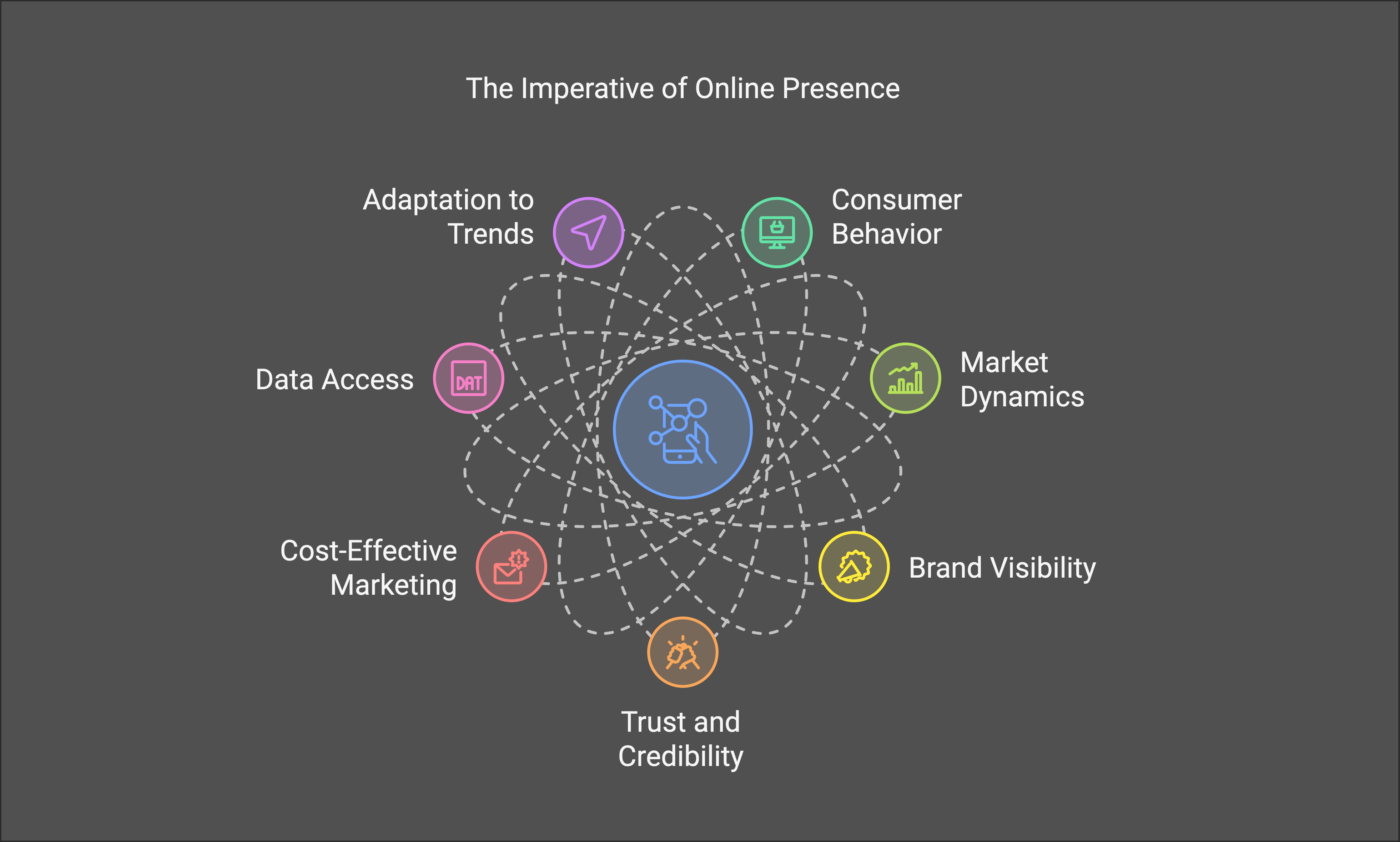
For small businesses looking to compete, leveraging AI tools can help bridge the gap. I (Sandesh Chaudhary) provides insights on why businesses need a strong online presence, which AI can enhance.
By integrating AI into their marketing strategies, small businesses can automate tasks, improve customer engagement, and compete with larger brands more effectively.
Challenges Small Businesses Face in Digital Marketing
Budget Constraints and Resource Limitations
One of the biggest challenges small businesses face in digital marketing is limited budgets. Unlike big brands that can spend millions on advertising, small businesses must be strategic with their spending.
To make the most of a small budget, businesses can:
- Use free or low-cost marketing tools like Canva for design and Mailchimp for email marketing.
- Focus on organic marketing strategies, such as SEO and content marketing, to drive traffic without paying for ads.
- Automate repetitive tasks with AI-powered tools like Zapier to save time and resources.
For more cost-effective marketing strategies, I (Sandesh Chaudhary) shares useful tips on how startups can scale quickly.
Competing with Big Brands in Customer Engagement
Big brands have dedicated teams to manage customer engagement, making it hard for small businesses to keep up. However, AI can help level the playing field.
Ways small businesses can improve engagement include:
- AI Chatbots – Tools like Tidio provide instant customer support, even outside business hours.
- Personalized Marketing – AI-driven platforms like HubSpot help small businesses send targeted emails and recommendations.
- Social Media Automation – Tools like Buffer schedule posts and analyze engagement to optimize content strategy.
By leveraging AI and automation, small businesses can enhance customer interactions without needing a large team. I (Sandesh Chaudhary) explains why having a strong online presence is crucial for business success.With the right tools and strategies, small businesses can overcome these challenges and compete effectively in the digital marketing space.
How AI Levels the Playing Field for Small Businesses
AI-Powered Tools for Cost-Effective Marketing
Small businesses often struggle with limited budgets, but AI-powered tools can help them market effectively without spending a fortune. AI automates tasks, analyzes data, and optimizes campaigns, making marketing more efficient.
Here’s how small businesses can use AI for cost-effective marketing:
- AI Content Creation – Tools like Copy.ai generate blog posts, social media captions, and ad copy, saving time and effort.
- SEO Optimization – Platforms like Surfer SEO analyze keywords and suggest improvements to boost search rankings.
- Automated Ad Management – AI-driven tools like Adzooma optimize ad campaigns, ensuring businesses get the best return on investment.
For more strategies on scaling a business with limited resources, I (Sandesh Chaudhary) provide valuable insights.
Personalization and Customer Targeting with AI
AI allows small businesses to compete with big brands by delivering personalized experiences to customers. Instead of generic marketing, AI helps businesses understand customer preferences and tailor content accordingly.
Ways AI enhances personalization and targeting:
- Email Marketing Automation – Platforms like Mailchimp use AI to send personalized emails based on user behavior.
- AI Chatbots – Tools like Tidio provide instant, AI-driven customer support, improving engagement.
- Predictive Analytics – AI-powered platforms like HubSpot analyze customer data to predict future buying behavior.
By using AI for personalization, small businesses can build stronger relationships with customers. Home – Sandesh Chaudhary explains why having a strong online presence is essential for business growth.
With AI, small businesses can compete more effectively, offering personalized experiences that keep customers engaged and loyal.
Best AI Tools for Small Business Digital Marketing:
- AI Writing Assistants – Tools like Copy.ai and Jasper generate blog posts, social media captions, and ad copy in minutes.
- SEO Optimization – Platforms like Surfer SEO analyze keywords and suggest improvements to boost search rankings.
- AI-Powered Keyword Research – SEMrush helps businesses find the best keywords to target for organic traffic.
Chatbots and AI-Driven Customer Support
AI chatbots help small businesses provide instant customer support without hiring a large team. These tools improve response times and enhance customer satisfaction.
- AI Chatbots – Platforms like Tidio and Drift offer automated customer support and lead generation.
- AI-Powered Help Desks – Zendesk uses AI to manage customer inquiries efficiently.
- Voice Assistants – AI-driven tools like Google Assistant help businesses automate customer interactions.
AI for Social Media and Email Marketing
AI simplifies social media management and email marketing, helping small businesses engage with their audience more effectively.
- Social Media Automation – Tools like Buffer and Hootsuite schedule posts and analyze engagement.
- AI-Powered Email Marketing – Mailchimp and HubSpot personalize email campaigns based on user behavior.
- AI Analytics – Sprout Social provides insights into social media performance and audience engagement.
For startups looking to scale quickly, i offer practical marketing tips.
By leveraging AI tools, small businesses can automate tasks, improve engagement, and compete with larger brands more effectively.
Implementing AI in Your Small Business Marketing Strategy
Steps to Integrate AI into Your Marketing Plan
Integrating AI into your marketing strategy doesn’t have to be complicated. Follow these steps to get started:
- Identify Your Marketing Needs – Determine which areas of your marketing can benefit from AI, such as content creation, customer support, or ad optimization.
- Choose the Right AI Tools – Use platforms like Jasper for content writing, Tidio for chatbots, and Mailchimp for email automation.
- Automate Repetitive Tasks – AI can handle tasks like scheduling social media posts with Hootsuite or analyzing SEO with Surfer SEO.
- Train Your Team – Ensure your team understands how to use AI tools effectively to maximize their benefits.
- Monitor and Adjust – Regularly review AI-generated insights and tweak your strategy based on performance data.
For more tips on scaling a business with smart marketing, check out Sandesh Chaudhary.
Measuring AI’s Impact on Marketing Performance. Once AI is integrated into your marketing strategy, tracking its effectiveness is crucial.
Here’s how to measure AI’s impact:
- Track Website Traffic and SEO Performance – Use Google Analytics and SEMrush to monitor organic growth.
- Analyze Customer Engagement – AI-powered tools like HubSpot track email open rates, social media interactions, and chatbot responses.
- Monitor Conversion Rates – AI-driven platforms like Adzooma optimize ad campaigns and measure ROI.
- Use AI Insights for Continuous Improvement – AI tools provide data-driven recommendations to refine your marketing strategy over time.
By tracking AI’s performance, small businesses can make data-backed decisions, improve marketing efficiency, and compete with larger brands effectively.
Future of AI in Digital Marketing for Small Businesses
Emerging AI Trends in Digital Marketing
AI is constantly evolving, and small businesses need to stay updated on the latest trends to remain competitive.
Some key AI trends shaping digital marketing include:
- AI-Generated Content – Tools like Jasper and Copy.ai are improving, making it easier to create high-quality, engaging content.
- Voice Search Optimization – With the rise of voice assistants like Google Assistant and Alexa, businesses must optimize content for voice search.
- AI-Powered Video Marketing – Platforms like Synthesia allow businesses to create AI-generated videos without expensive production costs.
- Predictive Analytics for Better Targeting – AI tools like HubSpot analyze customer data to predict buying behavior and improve ad targeting.
For more insights on staying ahead in digital marketing, i share effective SEO strategies.
How Small Businesses Can Stay Ahead with AI
To make the most of AI in digital marketing, small businesses should:
- Adopt AI Early – Start using AI tools for content creation, customer support, and marketing automation.
- Leverage AI for Personalization – Use platforms like Mailchimp to send personalized emails and improve customer engagement.
- Invest in AI Analytics – Tools like Google Analytics help track performance and optimize marketing strategies.
- Stay Updated on AI Trends – Follow industry blogs and resources to keep up with AI advancements.
- Test and Optimize – Continuously experiment with AI-driven strategies and adjust based on performance data.
By embracing AI and staying ahead of trends, small businesses can compete with larger brands and grow their digital presence effectively.
Conclusion
AI is revolutionizing digital marketing, making it more accessible and effective for small businesses. While big brands have long leveraged AI to optimize their marketing strategies, small businesses can now use AI-powered tools to compete on a more level playing field. From automating content creation and personalizing customer interactions to enhancing social media and email marketing, AI offers cost-effective solutions that drive engagement and growth.
The key takeaway is that AI is no longer a luxury reserved for large corporations. Small businesses can integrate AI into their marketing strategies to improve efficiency, enhance customer experiences, and maximize their marketing budgets. By leveraging AI-driven tools, businesses can automate repetitive tasks, gain valuable insights from data, and create highly targeted marketing campaigns that resonate with their audience.
For those looking to get started with AI in digital marketing, platforms like marketingsandesh can be a valuable resource. Me as a digital marketing enthusiast, explores and shares insights on SEO, social media, email marketing, and content marketing. Whether you’re new to AI-driven marketing or looking to refine your strategy, his expertise can help you navigate the evolving digital landscape effectively.
As AI continues to evolve, staying informed and adapting to new trends will be crucial for small businesses. The future of digital marketing is AI-driven, and those who embrace it early will have a competitive edge. Start exploring AI tools today, experiment with different strategies, and watch your business grow in the digital space.
Frequently Asked Questions (FAQs)
How can small businesses leverage AI in digital marketing?
Small businesses can leverage AI in digital marketing by utilizing tools for customer segmentation, personalized marketing, and data analysis. AI can help automate repetitive tasks, analyze customer behavior, and optimize marketing campaigns, allowing small businesses to compete more effectively with larger brands.
What are some affordable AI tools for small business marketing?
There are several affordable AI tools available for small business marketing, including Canva for graphic design, Mailchimp for email marketing automation, and Hootsuite for social media management. These tools offer AI features that help streamline marketing efforts without breaking the bank.
How does AI improve customer engagement for small businesses?
AI improves customer engagement by enabling personalized experiences through targeted marketing campaigns, chatbots for instant customer support, and predictive analytics to anticipate customer needs. This level of engagement helps small businesses build stronger relationships with their customers.
What challenges do small businesses face when implementing AI in marketing?
Small businesses may face challenges such as limited budgets, lack of technical expertise, and difficulty in integrating AI tools with existing systems. Overcoming these challenges often requires careful planning, training, and selecting the right tools that fit their specific needs.
What is the future of AI in digital marketing for small businesses?
The future of AI in digital marketing for small businesses looks promising, with advancements in machine learning, natural language processing, and automation. As AI technology continues to evolve, small businesses will have more opportunities to enhance their marketing strategies, improve customer experiences, and compete effectively with larger brands.